
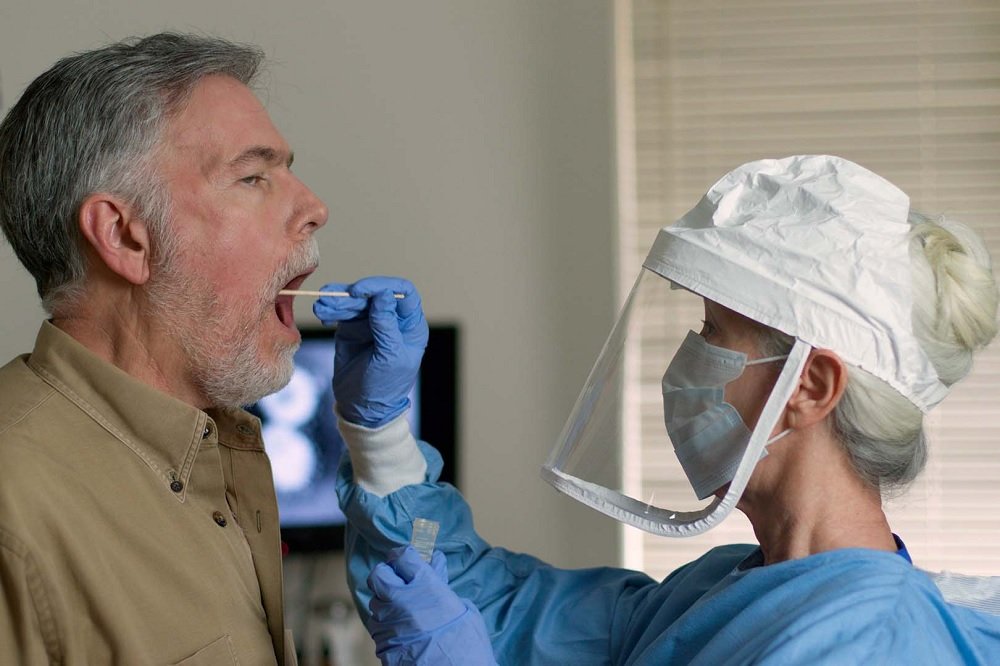
President Requests Reduction in Polymerase Chain Reaction (PCR) Test Price to 300,000 Rupiahs
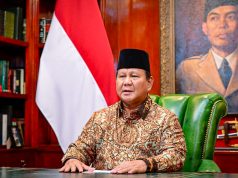
In response to the rising cost of Polymerase Chain Reaction (PCR) tests in Indonesia, President Joko Widodo instructed the relevant authorities to take necessary measures to reduce the price of the test to a more affordable level. The President emphasized the importance of making PCR tests accessible to the public, particularly for those who are in need of the test for travel, health screening, or other purposes.

The President’s directive came after reports indicated that the price of PCR tests in Indonesia had reached 500,000 to 1,000,000 Rupiahs (approximately 35 to 70 US Dollars), making it a significant financial burden for many individuals. The high cost of the test has been attributed to various factors, including the limited availability of testing facilities, the need for specialized equipment and reagents, and the global demand for PCR tests during the COVID-19 pandemic.
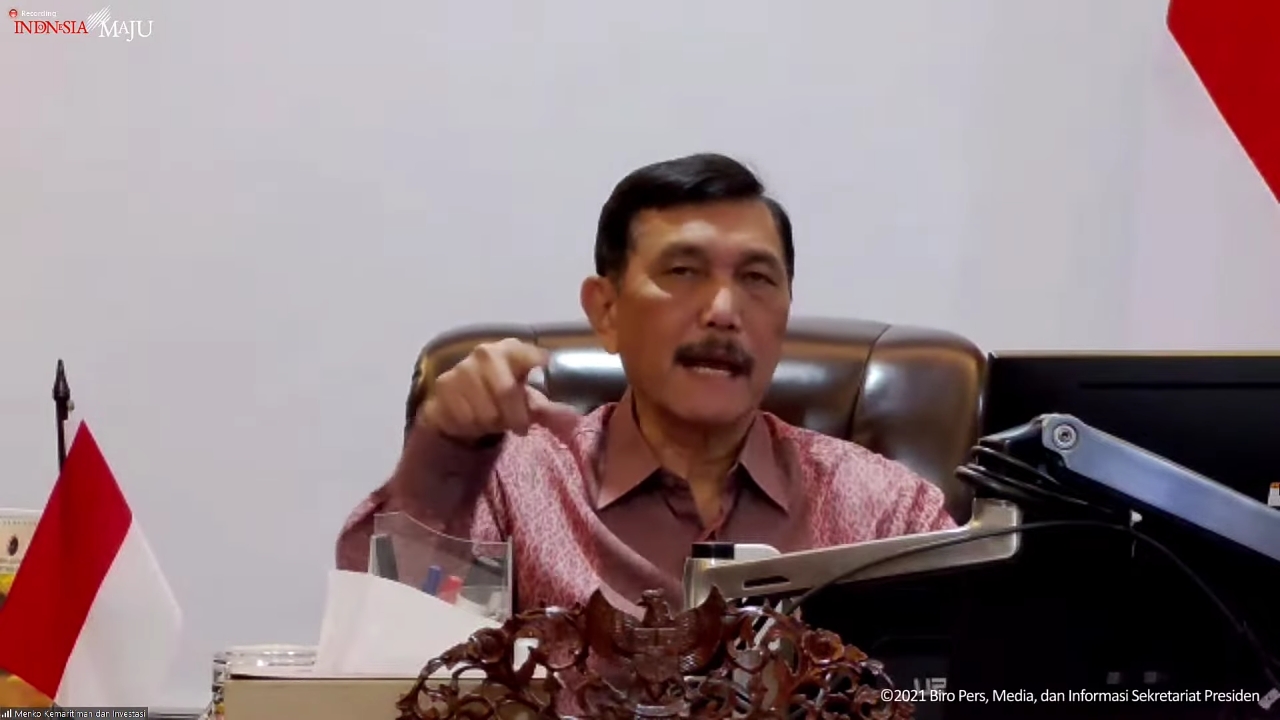
The President’s request to lower the price of PCR tests was met with positive responses from various stakeholders. The Minister of Health, Budi Gunadi Sadikin, stated that the government would work to reduce the cost of PCR tests by increasing the number of testing facilities, streamlining the procurement process for testing kits, and exploring alternative testing methods that could be more cost-effective.
Several private laboratories also expressed their willingness to cooperate with the government in reducing the price of PCR tests. The Association of Indonesian Clinical Laboratories (PALKI) stated that its members would strive to offer PCR tests at a price below 500,000 Rupiahs, provided that the government could ensure the availability of testing kits and reagents at reasonable prices.
The reduction in PCR test prices is expected to increase the accessibility of testing for the public, enabling more individuals to undergo the test when necessary. This would contribute to the government’s efforts to control the spread of COVID-19, facilitate the resumption of economic activities, and alleviate the financial burden faced by many individuals who require PCR tests for various purposes.